
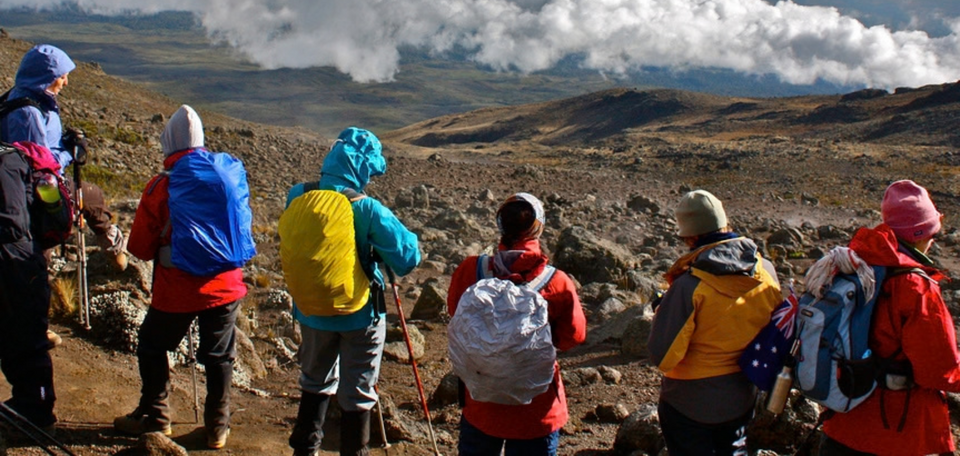
L'ascension du Kilimandjaro avec Explore-Share
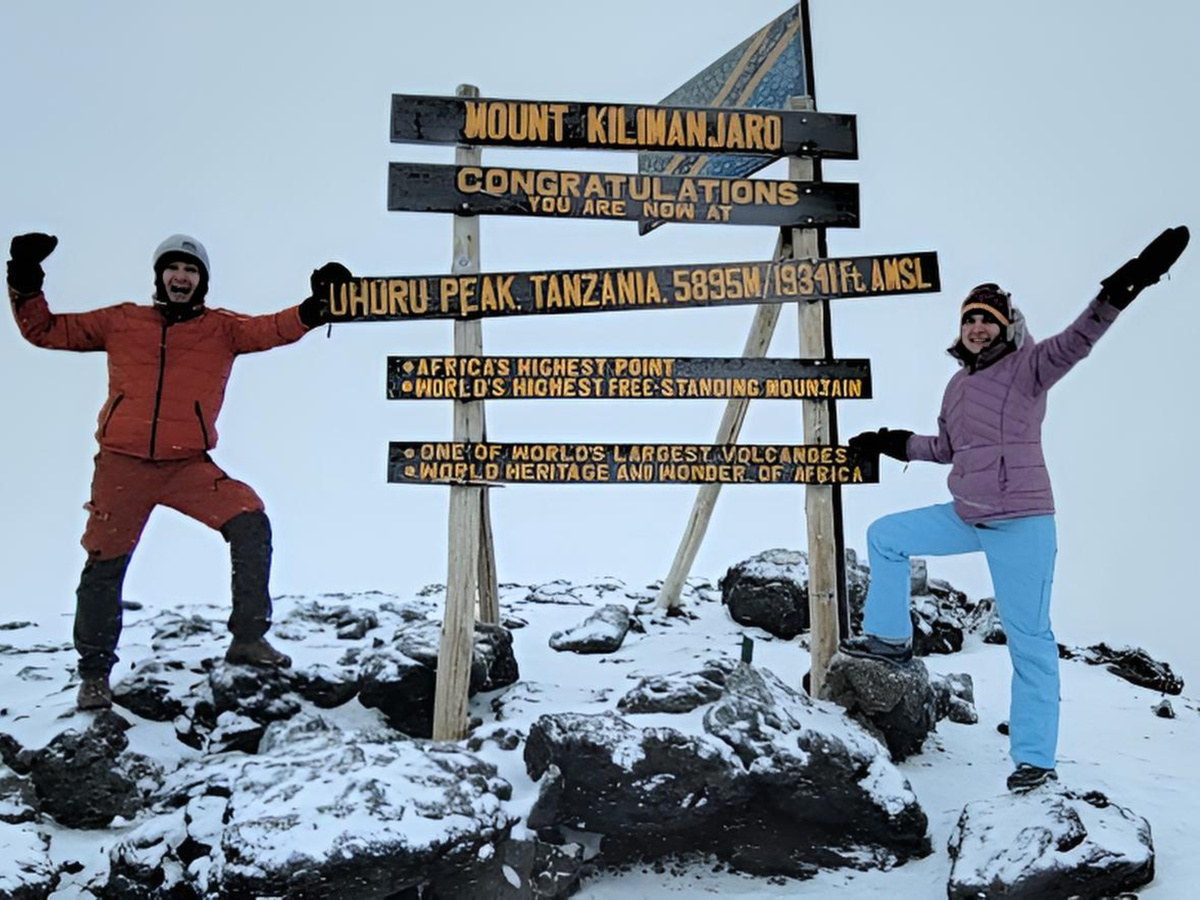
At 5,895 metres, Mount Kilimanjaro is the highest mountain in Africa and one of the world's legendary trekking objectives.
It is also an adventure we often hear about within the trail-running community. For runners used to long days in the mountains and looking for a different kind of challenge, climbing Kilimanjaro can be a natural next adventure: several days on the trail, a summit at nearly 6,000 metres, and the discovery of dramatically different landscapes along the way.
Reaching Uhuru Peak doesn't require technical mountaineering skills, making it an achievable challenge for fit and motivated hikers and trail runners, with the right preparation, acclimatization and local support.
Located in Tanzania, Kilimanjaro offers several routes to the summit, each providing a different experience.
The Machame Route is one of the most popular options, combining beautiful scenery with a gradual ascent and good opportunities for acclimatization.
The Lemosho Route approaches the mountain from the west and is particularly appreciated for its scenery and longer itineraries.
The Marangu Route is the only main route offering accommodation in mountain huts rather than tents.
The Rongai Route approaches Kilimanjaro from the north and offers a quieter alternative to some of the mountain's busier trails.
Most Kilimanjaro ascents take around 5 to 8 days, depending on the route and itinerary. Taking sufficient time is important: while the climb is not technically difficult, altitude is one of the main challenges and proper acclimatization significantly matters.
A journey through several climates
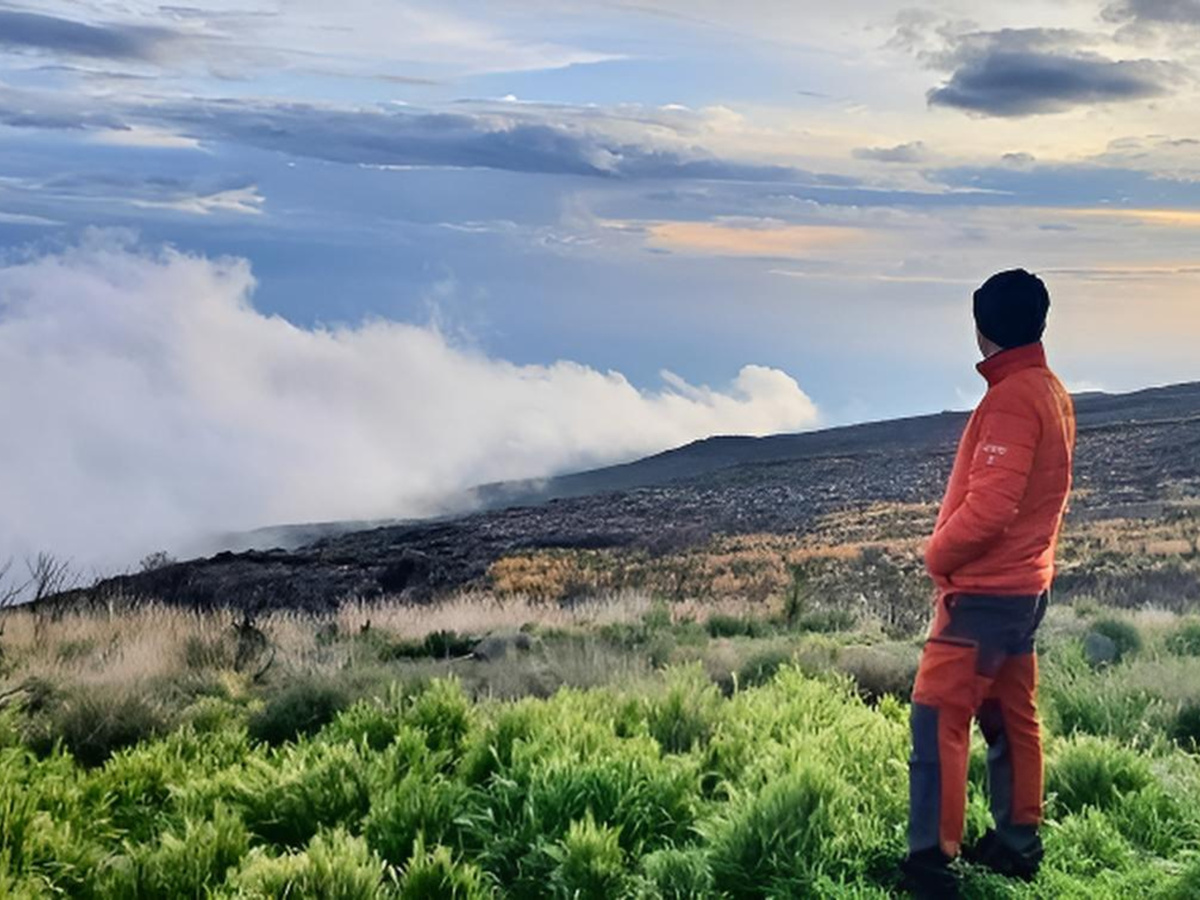
One of the unique aspects of climbing Kilimanjaro is the variety of landscapes encountered along the way.
The journey begins in lush rainforest before progressively reaching moorland and high alpine desert. Above 5,000 metres, the environment changes again as you enter the mountain's cold, glacial summit zone.
This means being prepared for very different conditions, from warm and humid weather lower down to freezing temperatures around summit day.
Good hiking footwear, appropriate layers, waterproof clothing, warm gloves and a hat, sun protection and a suitable sleeping bag are therefore important parts of your preparation.
When to climb Kilimanjaro?
The most popular periods correspond to Tanzania's drier seasons, particularly January to March and June to October, but many operators also offer expeditions outside the main season, especially during November and December. April and May are generally considered the rainiest months of the year.
Find the Kilimanjaro ascent that suits you
Explore-Share works with local mountain professionals offering different ways to climb Kilimanjaro.
Depending on your preferred route, available time and group, you can compare different itineraries and find the option that best suits your plans.
By Explore-Share
Discover the different Kilimanjaro routes, programs and local guides on Explore-Share


